If you have received a PPI letter on a pending visa application and want a considered response prepared
Character Waiver Assistance — New Zealand
A character issue in your immigration history? Understand your options before you respond.
Whether the concern is a past conviction, a disclosure problem in a previous application, or a PPI letter already in your hand — preparation and clear legal framing can make a real difference to how your situation is presented to Immigration New Zealand.
The basics
What is the Character Waiver?
A discretionary determination by Immigration New Zealand that allows a visa application to proceed even where the applicant doesn't meet New Zealand's good-character requirements — granted on the merits of the specific application.
Nature
A discretionary determination, not a visa category. Allows a visa application to proceed despite a character trigger.
Pathways
Two distinct pathways commonly trigger the need for a waiver — a past conviction or adverse history, or false/misleading information in a current or past application.
Factors
INZ weighs seriousness of the matter, time passed, family and broader ties to NZ, potential contribution, and (for false-information triggers) significance, intent, and diligence.
Non-portable
A waiver granted on one application doesn't carry forward. Each future application generally requires its own assessment.
When not needed
Sometimes the underlying facts mean no waiver is actually needed. A short review can save unnecessary work.
Alternatives
Different from a special direction, which is a separate mechanism used in a narrower set of circumstances.
Not sure if a waiver is what you need?Sometimes the underlying facts mean no waiver is actually required. A short review before lodging — or before responding to a PPI letter — can save you from running the wrong process.
The useful next step is usually not a rushed response. It is a clear view of where the issue sits, what New Zealand's character rules actually require, and what a considered submission needs to address.
When our help makes a difference
Where we step in — and what we do
Some immigration processes are approved without much friction. Some situations carry real risk of delay, hard pushback or decline.
Real cases · Illustrative
Situations we've helped with
Every case is different. These are illustrative and don't guarantee a particular outcome.
Avoidable problems
Common risks — and how to reduce them
Visitor Visa applications can be declined or delayed for reasons that are sometimes avoidable with better preparation.
- 01High impact
Genuine intentions assessment
Weak ties to a home country, inconsistent travel history, or vague explanations of the purpose of a visit can raise concerns. A well-prepared application addresses these points directly with supporting evidence.
- 02High impact
Insufficient financial evidence
Bare-minimum bank balances, unclear income sources, or missing sponsorship documentation can lead to requests for further information or decline.
- 03Medium impact
Health and character flags
Applicants from countries without a low TB incidence may need a chest X-ray. Those with criminal history may need police certificates. Out-of-date evidence delays processing.
- 04Medium impact
Passport validity
Your passport must be valid for at least three months beyond your planned departure date. Travelling on a passport close to expiry can result in being refused boarding or refused entry at the border.
- 05High impact
Misrepresentation
Providing false, misleading, or incomplete information — even unintentionally — can result in decline, and may affect future visa applications.
- 06Manageable
Timing
Applying too close to your intended travel date, or failing to apply for an extension before your current visa expires, creates complications that are difficult to resolve.
Important constraints
What the Character Waiver doesn't cover
A character waiver is a discretionary determination within a visa application. It doesn't replace court representation, citizenship character processes, or appeal pathways.
Not permitted
A character waiver is the wrong tool if any of these applies.
We'll tell you up front if a different process or a non-immigration adviser is the right next step.
Get criminal defence representation in court
Outside immigration law. We coordinate with external counsel who practise in that area.
Address citizenship character under the oath and affirmation framework
A separate process from a visa-stage character waiver.
Respond to a PPI letter unrelated to character triggers
See PPI Response.
Appeal a declined waiver
See Immigration and Protection Tribunal Appeal.
Make a request if a visa has lapsed
See Section 61 Request.
Find the right pathway
Other options we can also help with
If a different immigration process fits your situation, we can take you there directly.
Working with us
What the process looks like
We will guide you step by step on your Character Waiver process, from start to finish.
Initial enquiry
Short conversation to understand the matter, the visa stage, any PPI letter received, and the time available. We'll tell you up front whether a waiver is needed and what a considered submission would involve.
Service engagement
Letter of engagement signed, invoice paid. We open the file and map the timeline against any PPI deadline or visa application stage. Where time is tight, we coordinate the extension request.
Evidence preparation
We work through court records, rehabilitation evidence, family and community ties, contribution evidence, and (for false-information triggers) the significance, intent, and diligence factors — building the submission with the decision-maker's framework in mind.
Lodgement
We submit the waiver response or character submission to Immigration New Zealand.
Monitoring & response
If INZ raises further queries during processing, we draft the response with you — promptly, in the right form.
Decision & next steps
We walk you through the outcome. If granted, the visa application proceeds to substantive assessment. If declined, we discuss options including reconsideration, IPT appeal where available, and any other pathway that applies.
FAQ
Frequently asked questions
A character waiver submission is a discretionary decision, and the way the facts are framed, the evidence is sequenced, and the relevant factors are addressed directly shapes how INZ considers the application. A lawyer identifies which pathway applies — conviction-based, false-information, or both — maps your facts against the factors INZ weighs, coordinates evidence across jurisdictions where needed, and structures the submission so it speaks to the decision framework rather than simply narrating your history. Where a PPI response window is already running, there is also deadline management and interim visa monitoring to handle alongside the drafting. A short initial discussion is usually enough to set out what that work involves in your situation.
Usually not, although the sooner you get orientation the better. The first steps are generally practical: read the letter carefully, note the response deadline, check your current visa status and how long it remains valid, and hold off on drafting a reply until you have a clear picture of what INZ has identified. From that point we can discuss whether a deadline extension is appropriate, what the response needs to address, and what interim visa steps may be sensible while the response is being prepared.
Yes. Immigration New Zealand treats false or misleading information — including omissions — as a distinct waiver category, with its own set of factors rather than the ones applied to conviction-based matters. Applicants who frame their response as if it were an ordinary character issue often understate what INZ is actually assessing. We handle these submissions as a separate pathway from the outset, which tends to produce a cleaner result.
If INZ requests further information, the approach is to respond within the window with a focused and well-evidenced submission rather than a hurried one. If a waiver is declined, the visa application on its current basis generally cannot proceed, but options often remain — a fresh application structured differently, an appeal to the Immigration and Protection Tribunal in certain circumstances, or a different pathway altogether. We set out realistic options based on the specific facts rather than predicting outcomes in the abstract.
A character waiver is the ordinary mechanism for allowing a visa application to proceed despite a character trigger. A special direction is a narrower mechanism used in a different set of circumstances, generally where a statutory bar cannot be addressed at the officer level. Most waiver matters do not involve a special direction; where one is relevant, we flag it early.
Generally no. Each new application is assessed on its own, and the underlying matter may need to be addressed again. Planning for that disclosure lifecycle — particularly for applicants who expect to move between countries or apply for further visas in New Zealand — is part of the conversation.
The scope of a character waiver matter varies significantly — a single-trigger submission looks different from a multi-jurisdictional file with a PPI response running in parallel. After an initial review we provide a written scope and fee arrangement so you can decide how to proceed before committing. An initial discussion is usually brief and is intended to clarify the shape of the matter, not to lock you into a retainer.
Yes. Many waiver matters involve overseas police certificates, foreign court records, and evidence gathered across jurisdictions. We work with clients based outside New Zealand and with clients whose triggering history is entirely offshore. Time zones and document logistics are part of the sequencing plan rather than an obstacle to engagement.
Yes. Part of the initial review is an assessment of whether the waiver pathway is realistic, whether another pathway fits better, or whether waiting — for time to elapse, for rehabilitation evidence to build, or for a concurrent matter to resolve — would materially change the picture. We would rather say so at the outset than encourage a submission that is unlikely to benefit from professional support at this stage.
A short initial enquiry is usually enough to identify the shape of your situation and to decide whether a fuller review is worthwhile. You can contact us through the details on this page. Please have any PPI letter, relevant visa documents, and a short summary of the triggering history available — it allows the first conversation to be useful rather than preliminary.
Address it once. We'll handle the waiver.
Whether your immigration process is straightforward or involves complicating factors, we can help you understand your options and put your best case forward.
About MyLaw

MyLaw is a New Zealand law firm with a focus on immigration law.
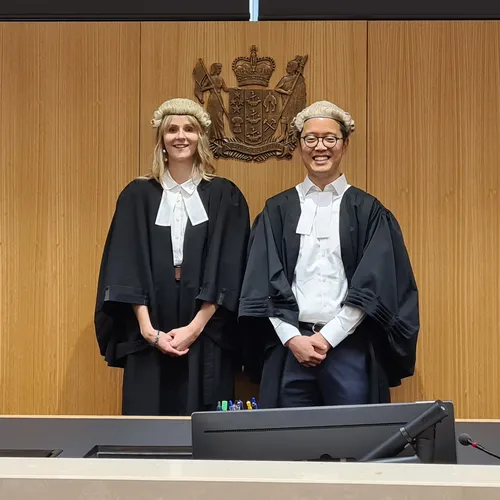
Our team is led by Michael Yoon, a New Zealand lawyer and member of the New Zealand Law Society.
He holds a current practising certificate and works across a range of immigration matters, from Character Waiver matters to complex cases involving prior refusals, character issues, and multi-visa strategies.
Get in touch.
If you are considering a character waiver, have received a PPI letter, or are weighing whether a past matter needs to be addressed before a new application, contact us for an initial discussion. We work with both single-trigger situations and the more layered ones, and the first conversation is usually a short one — enough to tell us, and you, what the sensible next step looks like.
Contact us